Monday, 22 October 2007

Safavid Period Architecture


Safavid art refers to art in Persia (Iran) during the dynasty of the same name (1501-1722), a high point for the art of the book and architecture; other art at the time included ceramics, metal and glass.


Esfahan(Isfahan)

For the third time in the history of the Safavids, the capital of the empire changed under Shah Abbas: to Isfahan, a city in a more centralized location than Tabriz or Qazvin (which is between Tehran and Tabriz). A new capital was thus set up beside the ancient city, organized around a meydan, a large place 512 metres long by 159 wide. On one side stands the Shah's mosque, on the other the Shah's oratory, called the mosque of Sheikh Lutfallah, while the pavilion Ali Qapu opens onto a large pleasure walkway (Chahar Bagh) and the grand bazaar led to the old mosque on Fridays. Two bridges cross the Zayandeh River, leading to an Armenian section taking the name of Nea Julfa.


Chaharbagh school

 
A tiling collection, The Madresse chaharbagh, or royal school, also named after the king's mother; is one of the last, but otherwise most beautiful works of Safavid period architecture. It was built at the time of Shah Sultan Hussain, the last of the safavid kings. The building also displays the art of tile work at its best. It is an example of late Safavid period tile work. On the eastern wing of the school was the king's mother caravansary, a place for travellers to rest. Today it has been turned into the magnificent Abbasi Hotel, itself a museum of post-Safavid works of art. (17th century after Christ).


Photos by Mehrdad Tadjdini

Sunday, 7 October 2007

Ashoura

Many westerners do not understand why Shia Muslims mourn the martyred Imam Hossein as though the event did not occur a thousand years ago but as if it happened as recently as yesterday?

The simple answer is: Ashoura shouldn’t fade away! Because Ashoura means stand up to oppressors and tyrants, no matter of the price!

Speak the truth though against yourself. Support and stand the justice, denounce the injustice. Don’t live under Tyrant!
There was a noble reason that demanded the martyrdom of Imam Hossein. The simple and obvious reason is simply to preserve faith, Truth, Justice, Equality and Freedom and they are all precious values that demanded precious sacrifice. So why let Ashoura fades away?

Ashoura is a story of cruelty, loss and grief; a story of love, faith and courage. The tragedy of Ashoura will leave a permanent mark on the soul of any free and compassionate spirit, regardless of religion or race.

Tuesday, 2 October 2007

Iran, Esfahan, Chadegan


Chādegān (also

Chadgun and Chadugan) is a town and the main centre of Chadegan County, one of Esfahan province’s western divisions (shahrestan).


Dam and reservoir

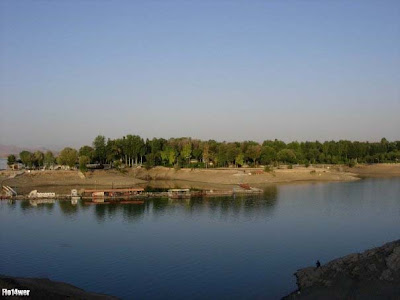
Chadegan Reservoir on the Zayandeh River is the largest in Isfahan Province. It was formed in 1972 by the Zayandeh Dam. The dam was initially named Shah Abbas Dam after Shah Abbas I, the most influential king of the Safavid dynasty, but it was changed to Zayandeh Dam after the Islamic revolution in 1979. Since 1972, the Chadegan Reservoir has helped prevent seasonal flooding of the Zayandeh River.