Showing posts with label Iran. Show all posts

Sunday, 28 February 2010

Iran > Mount of Sun > کتل خورشید


غار كتله خور در استان زنجان، در نزديكي شهر كوچك گرماب واقع است. غار كتله خور، غاري است آهکي که در برخي نقاط آن گل رس و خاک‌هاي حاوي اکسيد آهن قابل مشاهده اس.اين غار از نظر قدمت با غار عليصدر همدان برابري مي‌کند با اين تفاوت اين غار تقريبا خشک است. یک نکته جالب توجه در رابطه با غار کتله‌خور اینست که شواهد و بررسی‌های انجام شده مؤید این موضوع است که این غار در نهایت به غار علیصدر در همدان متصل می‌شود. همچنین یکی دیگر از عجایب و زیبایی‌های این غار تعدد طبقات آن است که اینگونه غارها در جهان بسیار کم‌نظیر هستند. گمان می‌رود که این غار دارای ۷ طبقه باشد که البته تاکنون تنها ۳ طبقة آن کشف شده‌ است


این غار در مراحل اولیة تشکیل خود غاری آبی بوده‌است که دراثر انحلال آبی گاهی اوقات توده‌های عظیمی از سنگها از تودة اصلی جدا شده‌اند. تشکیل طبقات متعدد این غار باعث شده‌است که آب به طبقات زیرین نفوذ کرده و عملاً غار تبدیل به غاری خشکی گردد.از دیگر ویژگیهای بارز این غار می‌توان وجود قندیلهای زیبا و شفاف آهکی و استالاکتیت‌های گُل‌کلمی را نام برد


غار کتله‌خور، که در گویش محلی، مردم منطقه به آن کتل کوتول می‌گویند، غاری است خشکی -آبی، واقع در استان زنجان و در ۸۰ کیلومتری جنوب خدابنده و ۱۷۳ کیلومتری شمال همدان و ۴۱۰ کیلومتری تهران و ۵ کیلومتری شهر کوچک گرماب واقع است. در بعضی ازمناطق غربی ایران به کوههای کم ارتفاع کتل می‌گویند و احتمالاً وجه تسمیه غار نیز به همین علت باشد که غار در یکی از این کوهها قرارگرفته‌است و خورشید از پشت آن طلوع می‌کند و بجای کتل خورشید به آن کتل‌خور گویند


در سال ۱۳۶۵ گروهی مجهز از غارنوردان زبده همدان بازدید مفصلی از غار انجام دادند و توانستند شکل‌گیری این غار را به دوران ژوراسیک مربوط دارند یعنی بیش از ۱۲۰ میلیون سال قبل

وجود چشمه‌های آب بسیار زلال در اطراف این غار و حفره‌های متعدد طبیعی هم از ویژگیهای منحصر به فرد این غار است


غارکتله‌خور از لحاظ کیفیت بلورها و قندیلها، زیبایی و تعدد طبقات اولین غار آهکی جهان شناخته شده‌است که توسط سرمایه‌گذاری بخش خصوصی و هزینة شخصی به نام مهندس عالی که مهندس عمران فرمانداری زنجان بودند در طول پنج سال آمادة بهره‌برداری گشت. از بهره‌برداری اولیة این غار چیزی حدود ۱۵ سال می‌گذرد که البته هنوز هم کاوش و فعالیت برای آماده‌سازی سایر قسمت‌های غار برای بازدید ادامه دارد

غار کتله‌خور، غاری است آهکی که در برخی نقاط آن گل‌رس و خاکهای حاوی اکسیدآهن قابل مشاهده‌است. این غار از نظر سنی تقریباً هم‌سن غار علیصدر همدان است البته این دو غار از دو جهت با هم تفاوت دارند. یکی اینکه غار علیصدر همدان غاریست کاملاً آبی اما غار کتله‌خور زنجان غاری است تقریباً خشکی. دوم اینکه آهکهای غار کتله‌خور نسبت به آهکهای غار علیصدر بسیار خالص‌تر هستند که این خود عاملی است جهت زیباترشدن غار، چراکه خالص بودن آهکها موجب شفافیت آنها و در نتیجه عبور نور از قندیل‌ها می‌شود


Katale khor (Persian: کتله‌خور,Azerbaijani: كتل كوتول) is a cave located in Zanjan Province, Iran. It's situated at 120 km south of Zanjan city and 410 km away from Tehran. The name, Katale khor, means "mount of Sun". Geological studies in 1984 showed that the cave formation dates back to the Jurassic period. It is believed that the cave joins to Ali Sadr Cave in Hamadan province.

This cave was discovered about 90 years ago but it was registered by Ahmad Jamali


Tuesday, 2 February 2010

ايران و هموطن

ای کاش ماهمانقدر که ایران را دوست داریم یکدیگر را نیز دوست می داشتیم

عشق به وطن و نفرت از هموطن حاصلش ویرانی است

بم و جم و هگمتانه و بیستون از سنگند و به مرور ایام سنگریز می کنند و ناپدید می شوند

اماعشق به همنوع هرگز نمی میرد و بر جریدۀ عالم ثبت می گردد

ودوام و قوام می یابد

عداوت ، بغض و بيزاري زندگى را فلج مى كند; محبت و مهر آنرا رها
عداوت زندگى رامغشوش; محبت آنرا هم آهنگ
كين زندگى را تاريك; مهر آن را درخشان


پاسخ دادن به كين و نفرت و خشونت با كينه ورزى و دشمنى، سر انجامى بجز عداوت و خصومتى چند برابر نخواهد بود
و فقط تاريكى عميق ترى بر شبهاى عارى از ستاره و روشنايى ثمر آن خواهد بود

فقط نور مى تواند بر ظلمت و تاريكى غالب شود


...

Monday, 24 December 2007

Punishment Of Flying Dove Is Not Gun

We were born with potential
We were born with goodness and trust
We were born with ideals and dreams
We were born with greatness
We were born with wings
We are not meant for crawling
We have wings
Learn to use them and fly
....

Saturday, 22 December 2007

Tolerance


Tolerance, kindness and dignity have a unique place among moral principles. When tolerance is gone, there's always force and violence, not to mention ashes always fly back into the face of him who throws them to some one else!

Just imagine a world, full of people with same opinion, how dull that world would be! The price of the democratic way of life is a growing appreciation of people's differences, not merely as tolerable, but as the essence of a rich and rewarding human experience.
...

Saturday, 8 December 2007

Wonders Of Iran:In Search of Heaven


Legend: The Genesis of Civilisation” (later made into a documentary for the Discovery Channel) the British Egyptologist and historian David Rohl suggests that the Biblical Garden of Eden was situated in Tabriz or Oromieh.


http://www.ramsdale.org/dna6.htm


“In Search of Heaven” recounts the spiritual odyssey of American missionary Howard Conklin Baskerville. His 1907 passage to Iran, as a teacher, led to philosophical revelations that would not only impact his own life, but his students as well. Baskerville’s journey to enlightenment drew him to become the driving inspiration behind a revolution of freedom for a politically, and religiously, oppressed people.


The city of Tabriz, where Howard met his end, has recently been postulated as the original “Garden Of Eden.” Certified Scholars identify the location next to City of Tabriz as the modern city of Rezahehe (Oromieh) birth place of Adam and Eve.

Christians will be fascinated by this. That includes Jews. The followers of Islam also believe that there was a real birthplace where in Adam and Even were created and call it “Baghe Behesht,” which translates as the same thing as “Garden of Eden.” In the book the reader will get familiar with the city which was the place of Garden of Eden and the birth place of Adam and Eve. The novel, “In Search of Heaven”, has been adapted into a screenplay and is currently being developed into a major motion picture.


Tuesday, 6 November 2007

Shazdeh Garden

The city of Mahan is located in the southeast of Kerman. At a distance of 6 km. from the south of Mahan, is a beautiful and large garden named "Shazdeh Garden" which is a rectangular green oasis surrounded by brown desert. "Shazdeh Garden" meaning Prince’s Garden is a historical Persian garden.The structure is relative to the Qajar era. There are various pools constructed in the garden that is sheltered with fine trees.
The garden was built for and during the eleven years of the governance of Abdolhamid Mirza Naserodolleh (during Qajar dynasty). The construction was left unfinished due to death of Abdolhamid Mirza in early 1890s.

The garden is 5.5 hectares with a rectangular shape and a wall around it. It consists of an entrance structure and gate at the lower end and a two-floor residential structure at the upper end. The distance between these two is ornamented with water fountains that are engined by the natural incline of the land. The garden is a fine example of Persian gardens that take advantage of suitable natural climate.

Monday, 22 October 2007

Safavid Period Architecture


Safavid art refers to art in Persia (Iran) during the dynasty of the same name (1501-1722), a high point for the art of the book and architecture; other art at the time included ceramics, metal and glass.


Esfahan(Isfahan)

For the third time in the history of the Safavids, the capital of the empire changed under Shah Abbas: to Isfahan, a city in a more centralized location than Tabriz or Qazvin (which is between Tehran and Tabriz). A new capital was thus set up beside the ancient city, organized around a meydan, a large place 512 metres long by 159 wide. On one side stands the Shah's mosque, on the other the Shah's oratory, called the mosque of Sheikh Lutfallah, while the pavilion Ali Qapu opens onto a large pleasure walkway (Chahar Bagh) and the grand bazaar led to the old mosque on Fridays. Two bridges cross the Zayandeh River, leading to an Armenian section taking the name of Nea Julfa.


Chaharbagh school

 
A tiling collection, The Madresse chaharbagh, or royal school, also named after the king's mother; is one of the last, but otherwise most beautiful works of Safavid period architecture. It was built at the time of Shah Sultan Hussain, the last of the safavid kings. The building also displays the art of tile work at its best. It is an example of late Safavid period tile work. On the eastern wing of the school was the king's mother caravansary, a place for travellers to rest. Today it has been turned into the magnificent Abbasi Hotel, itself a museum of post-Safavid works of art. (17th century after Christ).


Photos by Mehrdad Tadjdini

Tuesday, 2 October 2007

Iran, Esfahan, Chadegan


Chādegān (also

Chadgun and Chadugan) is a town and the main centre of Chadegan County, one of Esfahan province’s western divisions (shahrestan).


Dam and reservoir

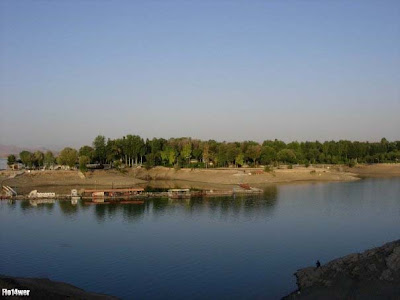
Chadegan Reservoir on the Zayandeh River is the largest in Isfahan Province. It was formed in 1972 by the Zayandeh Dam. The dam was initially named Shah Abbas Dam after Shah Abbas I, the most influential king of the Safavid dynasty, but it was changed to Zayandeh Dam after the Islamic revolution in 1979. Since 1972, the Chadegan Reservoir has helped prevent seasonal flooding of the Zayandeh River.


Tuesday, 7 August 2007

I believe ...


To accomplish great things,

we must not only act,

but also dream;

not only plan,

but also believe.
...

Wednesday, 2 May 2007

Kashan-Niasar: In The Middle of Vast Deserts!


In the middle of vast deserts and beautiful mountains there is a beautiful small village with lots of flowers, a waterfall and caves hidden in the desert surrounded by mountains.


The green and beautiful resort village of Niasar is located 28 kilometers west of the city of Kashan, Isfahan province. Niasar’s Sassanid monument is a domed building constructed over a rock at the highest point of Niasar village which can be seen from afar.


Niasar cave, with its entrance openings, located in gardens north of Niasar village, is a temple belonging to followers of Mitra (god of ancient Persia). The temple most probably dates back to the early Partian era. All but one of the chambers of the cave are man-made.The Eid-ul-Adha (Al-Adha feast) held in Niasar lends proof to the fact that people living in the region in the olden times believed in Mithraism.